portable mesh node · multi-radio
One network.ANY TERRAIN.Every last mile, stitched.
A pocket node that picks whichever uplink is working — WiFi, cellular, satellite, or a nearby peer — and keeps your devices online while you move.
awaiting first handoff…
- live signal
- 71%
- active peers
- 128
- uplink
- SAT+LTE
- switched
- 3s ago
the stack
Four layers, one connection.
No new physics — four existing radios stacked so coverage overlaps where terrain cuts one off.
WIFI 6 / BLE
0–120 m
device hotspot
SUB-GHZ MESH
0.1–2 km
peer hop
LTE / 5G
0–35 km
carrier uplink
LEO SAT
global
last-resort uplink
the node
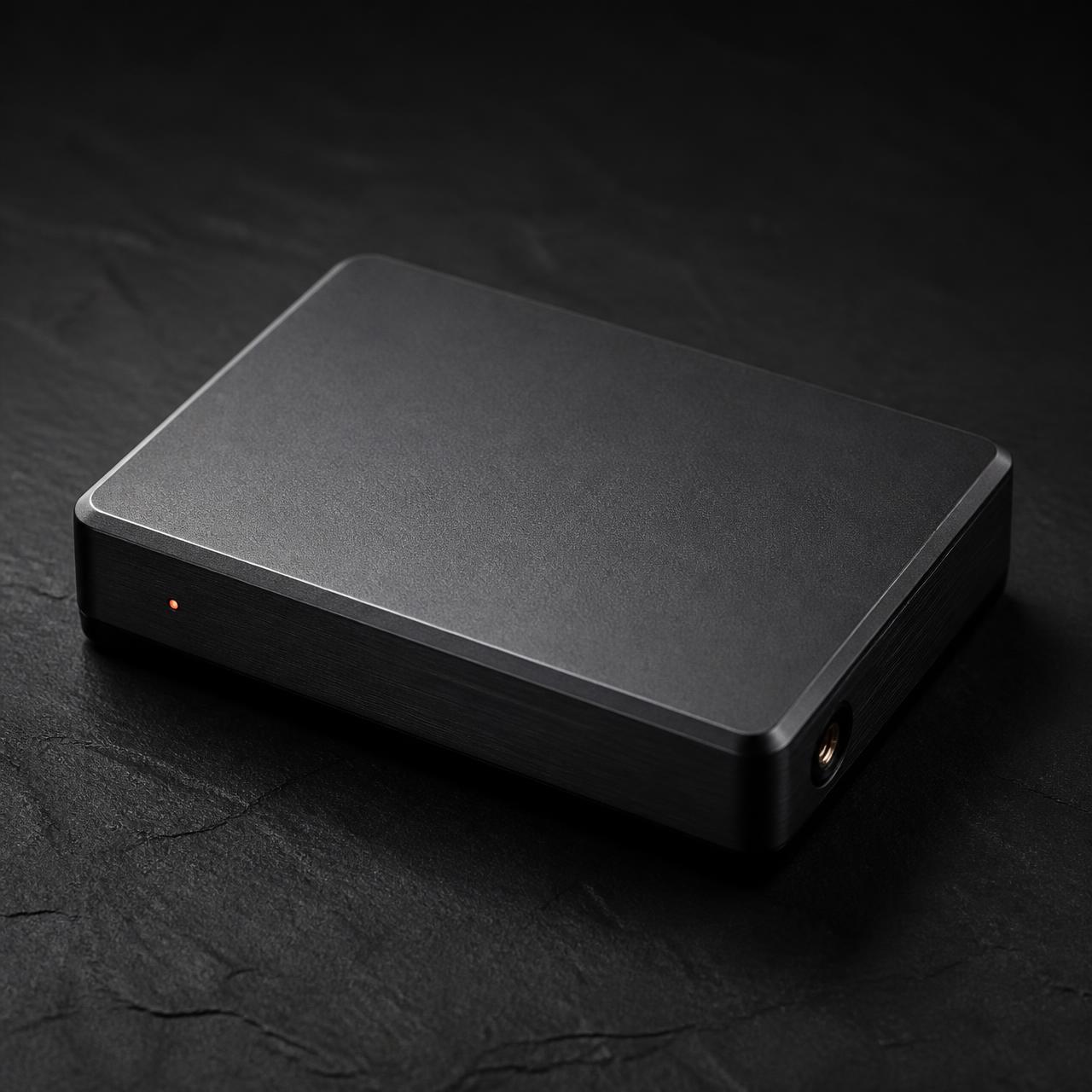
A pocket-sized carrier.
Four radios, GNSS, and a full field day of battery. Clip it to a bag, or leave one behind to extend a mesh down a valley.
| radios | WiFi 6 · BLE · sub-GHz · LTE |
|---|---|
| position | Multi-band GNSS |
| battery | 18 h typical · 40 h idle |
| weight | 184 g |
| rating | IP67 dust & splash |
| solar | 5 W trickle input |
cold start
From cold start to online in under 40 seconds.
01
Node boots, locks GNSS
Power on cold. The oscillator settles, multi-band GNSS acquires a fix, and every radio starts listening.
02
Discovers peers within 800 m
Sub-GHz beacons go out. Any OmniSignal node in earshot answers and negotiates a shared routing table.
03
Rates every candidate uplink
LTE, WiFi, LEO satellite, a peer already on fiber — each is scored on latency, loss and headroom. The best one locks.
04
Phone joins a normal network
It looks like ordinary WiFi. Behind it, the route re-forms in milliseconds whenever signal shifts.
state 01 / 04 — gnss lock
early access
Get on the list.
We prototype in the open. Field-test invitations go out with each hardware drop.